
Trenchless CMP Repair and Replacement
The Problem
With a massive over-haul of the Federal Highway System in the 1950’s, CMPs (Corrugated Metal Pipes) were the industry standard for culvert use. However, most of those culverts have not been replaced since their original installment. Over time, these culverts have begun to fail because of corrosion, erosion from abrasion and structural fill properties. These failures can cause potholes, sinkholes, flooding, and other structural damage to roads.


The Challenge
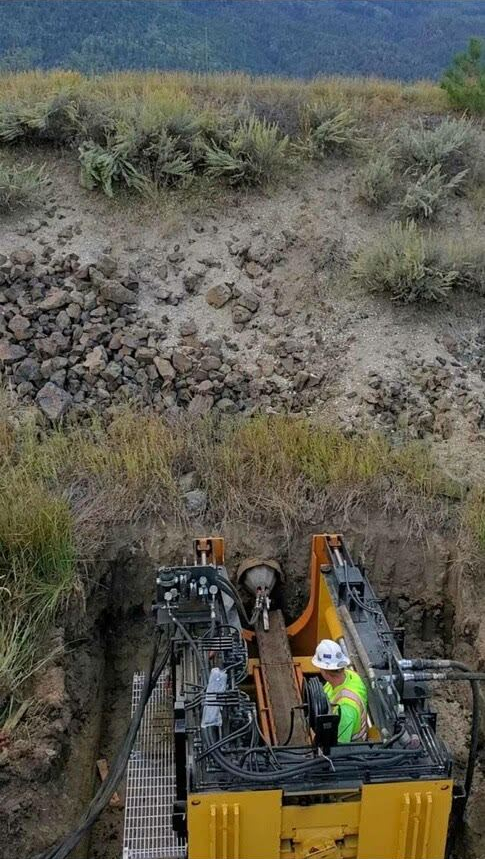
Rehabilitation, replacement and repair of culverts without shutting down major highways or impeding traffic, such as Highway 55 in Idaho, is a planning nightmare. Traditional open cut methods require public disruption, traffic diversions and road closures, which are mostly not an option on some of the highway systems in Idaho. Open cut methods also cost astronomically more than trenchless techniques. Titan averages 30%-40% savings by eliminating traditional open-cut excavation.
The Titan Way
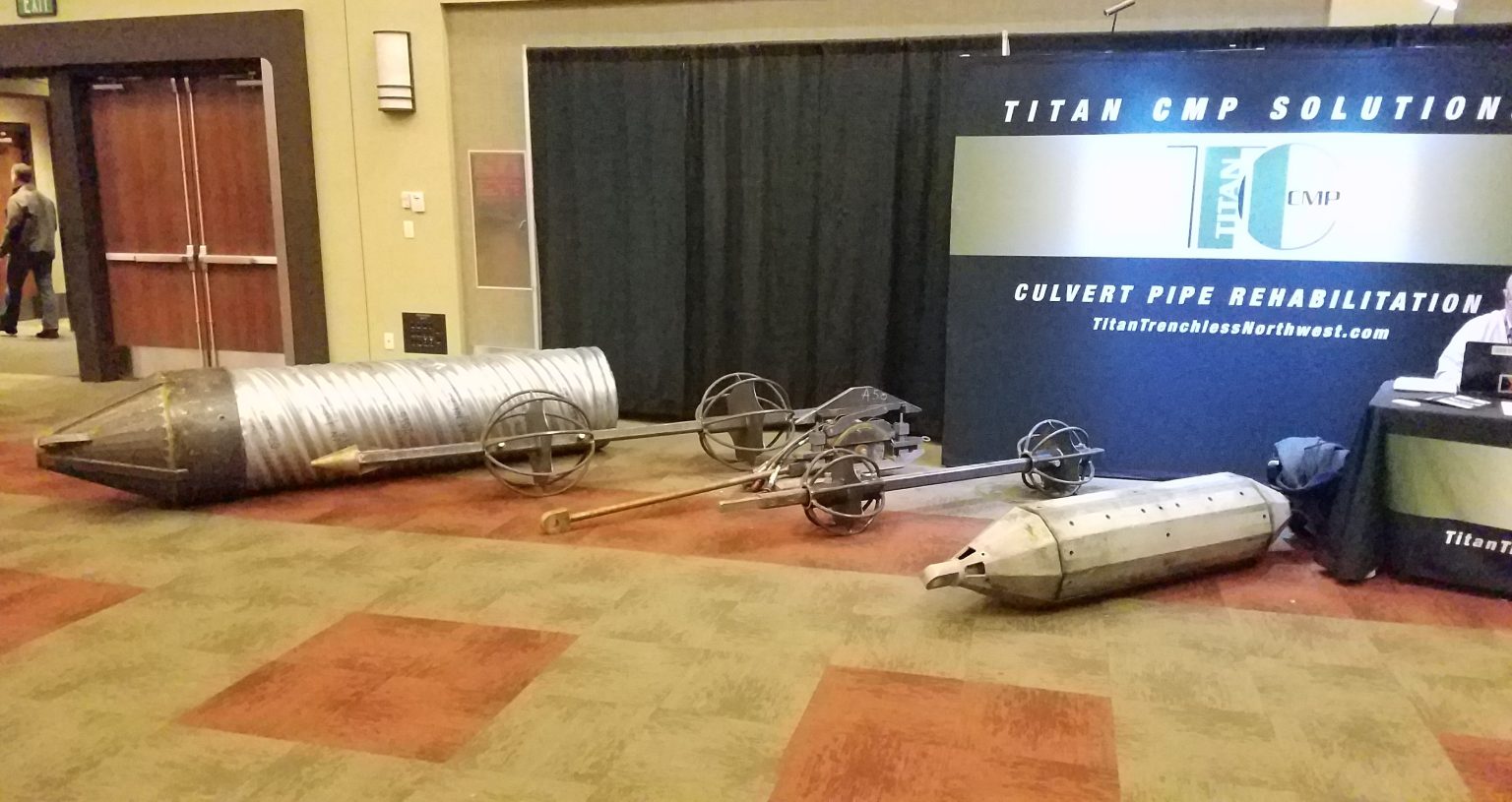
Titan CMP Solutions LLC is the Northwest’s leader in trenchless methods thanks to patented technology and techniques. Titan starts by cutting a seam down the middle of the CMP that needs replacing. They then use a hydraulic expansion head to expand the existing pipe with minimal ground disruption. This technique allows the new pipe to stay the same diameter as the existing pipe or in some cases, even upsize it. A study done by the USDOTFWHA showed that a reduction in diameter size of culverts drastically affected hydraulic performance. Titans ability to maintain or increase diameter size helps prevent this.

Innovative Grouting
When replacing existing culverts with coated CMP, PVC or HDPE (High Density Polyethylene) Titan uses their expansion technique rather than traditional open-cut excavation, a void is left between the new pipe and the existing one. Most companies use cement to fill this space. Titan has the ability to use state of the art high density polyurethane grout foam, when needed, because it has a low viscosity rate and is highly flexible, making it better for fitting into cavities and voids.One key factor in choosing a grout is to consider the proximity to fragile waterways. Polyurethane is more environmentally friendly than cement because it is hydro-insensitive, making it less susceptible to ground water penetration.